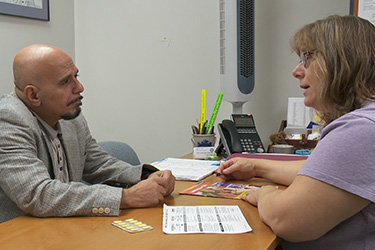
Understand the reasons why people use tobacco.
See how a plan to quit using tobacco - including identifying your reasons for using tobacco, the triggers that cause you to use tobacco and how to avoid your triggers - can help you quit successfully.
Learn the health, social and financial benefits of quitting tobacco, and identify your own reasons to quit.
Learn how keeping a tobacco diary can help you discover what causes you to want to use.
Watch how preparing for nicotine withdrawal before you quit can help you deal with withdrawal when you do quit.
Learn about stop smoking aids you may use to help with any withdrawal you may experience when quitting tobacco.
See how changing a few of your daily habits can help you quit tobacco.
See how deciding your quit method and researching where you will find support ahead of time will increase your chances of quitting for good.
Understand the importance of setting a quit date.
Watch this video to learn how to quit tobacco, how to find support and eliminate the things that make you want to use tobacco.
For the first few days after you quit smoking, you may feel cranky, restless, depressed or low on energy. These are symptoms of withdrawal. Read on for helpful tips on how to cope.
People sometimes gain weight when they stop smoking. But you can reduce your chances of adding extra pounds. You just need to take steps to prevent it.
Smoking is one of the hardest habits to break. About half of all people who've ever smoked have been able to quit. Most people who still smoke want to quit. Here are some of the best ways to stop smoking.
Recognize your nicotine triggers and learn how to cope with them to prevent a relapse.